Routing:
Paro >> Thimphu >> Gangtey >> Trongsa >> Bumthang >> Trongsa >> Punakha >> Paro
Journey from the western valleys to the cultural heartland of central Bhutan, covering the nation’s most iconic fortresses, temples, and natural landscapes across Paro, Thimphu, Gangtey, Bumthang, Trongsa and Punakha. Great for those who enjoy tranquility, culture and hiking.
Trip Highlights
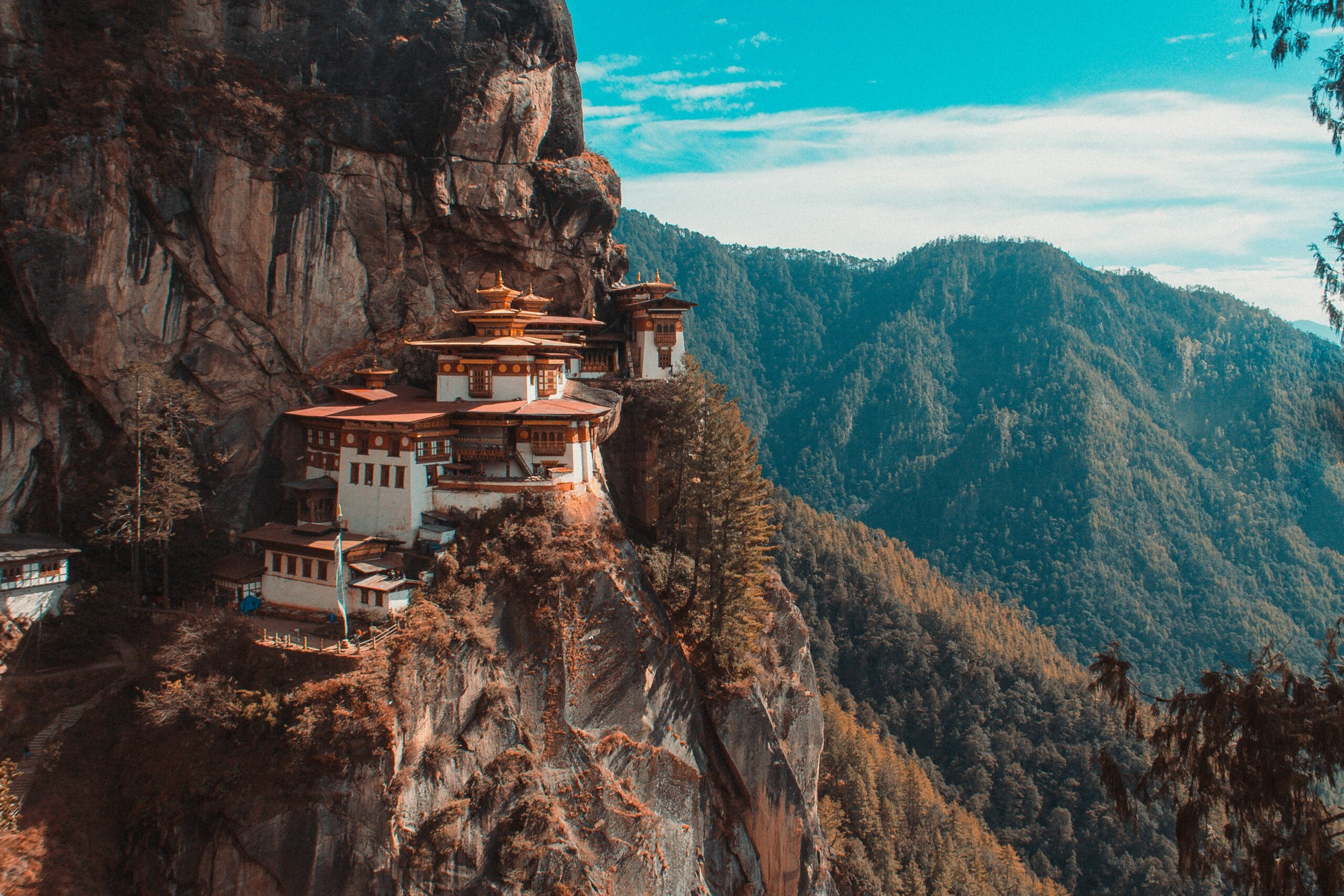
- Hike to the Tiger's Nest Monastery (UNESCO World Heritage Site)
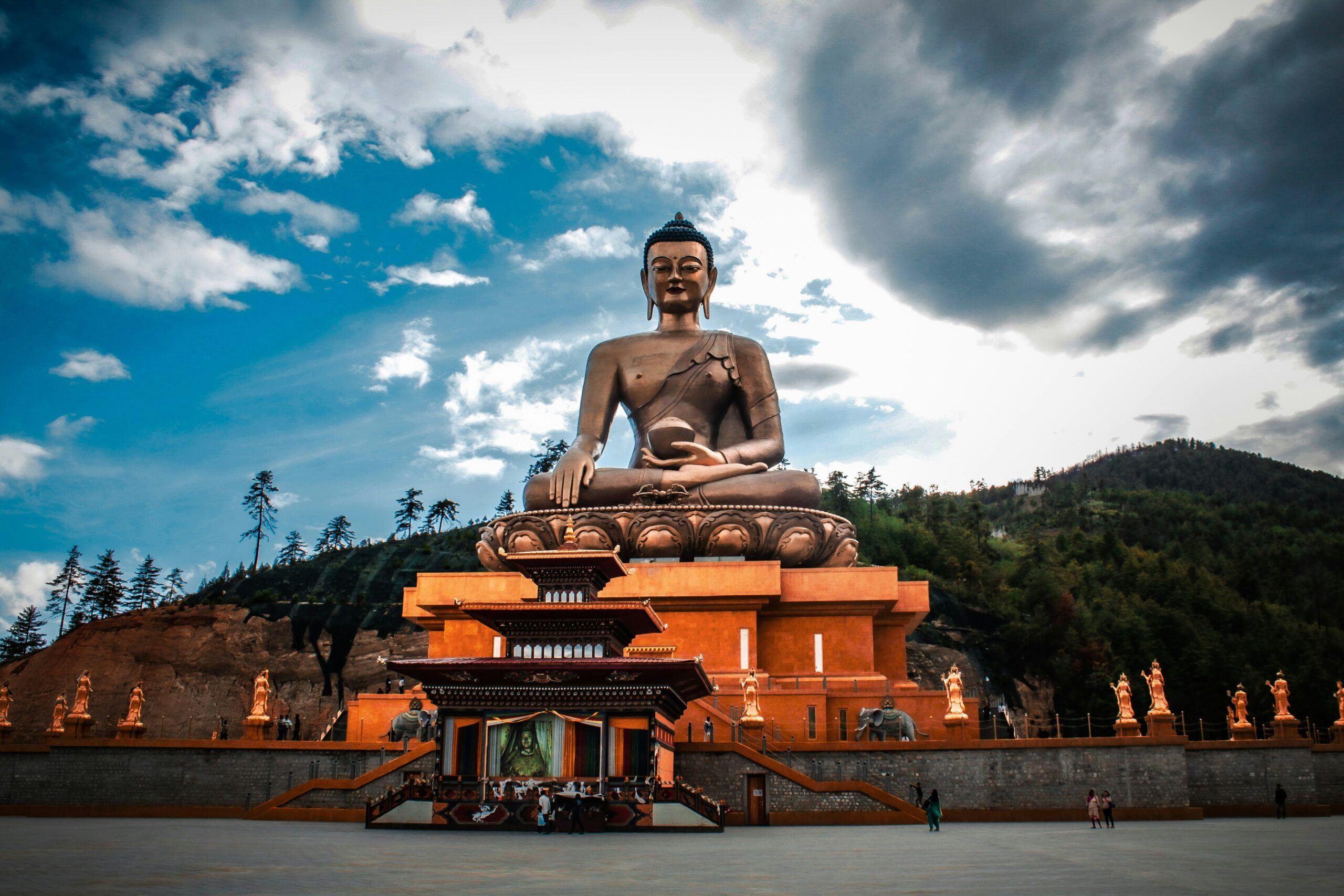
- See the 51.5m-tall Buddha Dordenma Statue in Thimphu
- Learn about Bhutan's national animal at the Motithang Takin Preserve
- Get breathtaking Himalayas views from the Dochula Pass
- Spot Black-Necked Cranes in Gangtey
- Explore Bumthang, the spiritual heartland of Bhutan at Kurjey Lhakhang and Mebar Tsho - "the Burning Lake"
- Stroll along tranquil red rice fields in Limbukha Village, Punakha
Upon arrival in Paro International Airport, transfer to your hotel in Thimphu while enjoying an afternoon tour of along the way.
*Note: Early check-in subject to hotel's availability at point of arrival.
Depending on your actual arrival time, stop by places enroute such as:
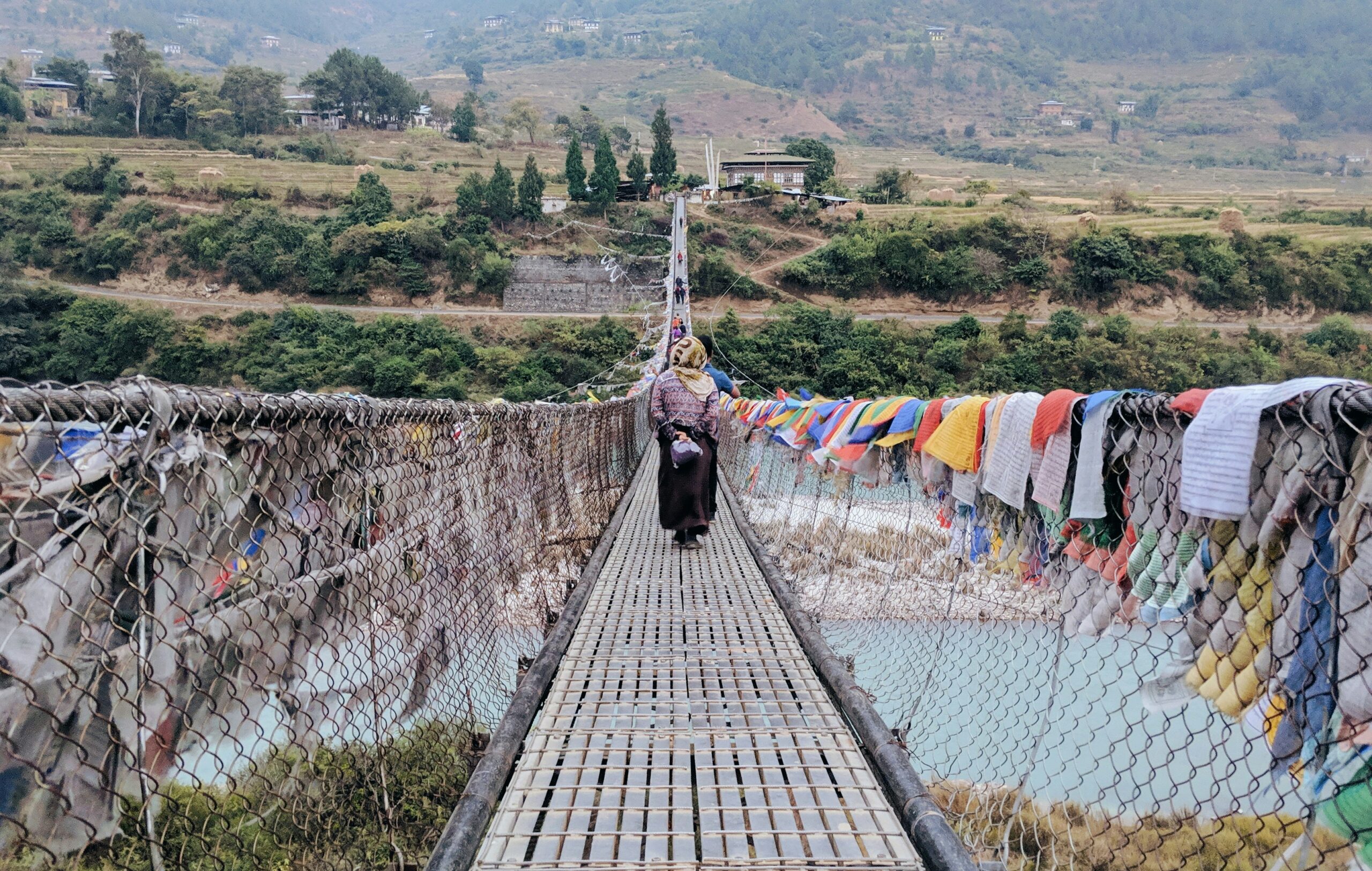
- Tamchog Lhakhang, a monastery located by the Paro River to which you must walk across a unique iron chain bridge with colourful fluttering prayers flags to arrive at.
- The 51.5m-tall Buddha Dordenma Statue - built with bronze and glided in gold, this is the world's largest sitting Shakyamuni statue, with 125,000 smaller Buddha statues placed within it. After 9 years of building, this was finished in 2015 to fulfil an ancient prophecy to emanate an aura of hapiness and peace all over the world.
- The first dzong built in Bhutan during the 17th century, Simtokha Dzong is a charming ancient fortress which is still intact in its original state today. Strategically built on a projecting ridge with deep gullies, the dzong overlooks the entire Thimphu Valley. Just above it is Bhutan's Institute for Language and Culture Studies.
- Bhutan Post Office Headquarters, home to the world's largest photo book and the most interesting collection of Bhutanese stamps. Only here, you can get personalised stamps of your own faces - a fun souvenir! (Closed on Sundays.)
Overnight in Thimphu.
[ - / - / Dinner ]
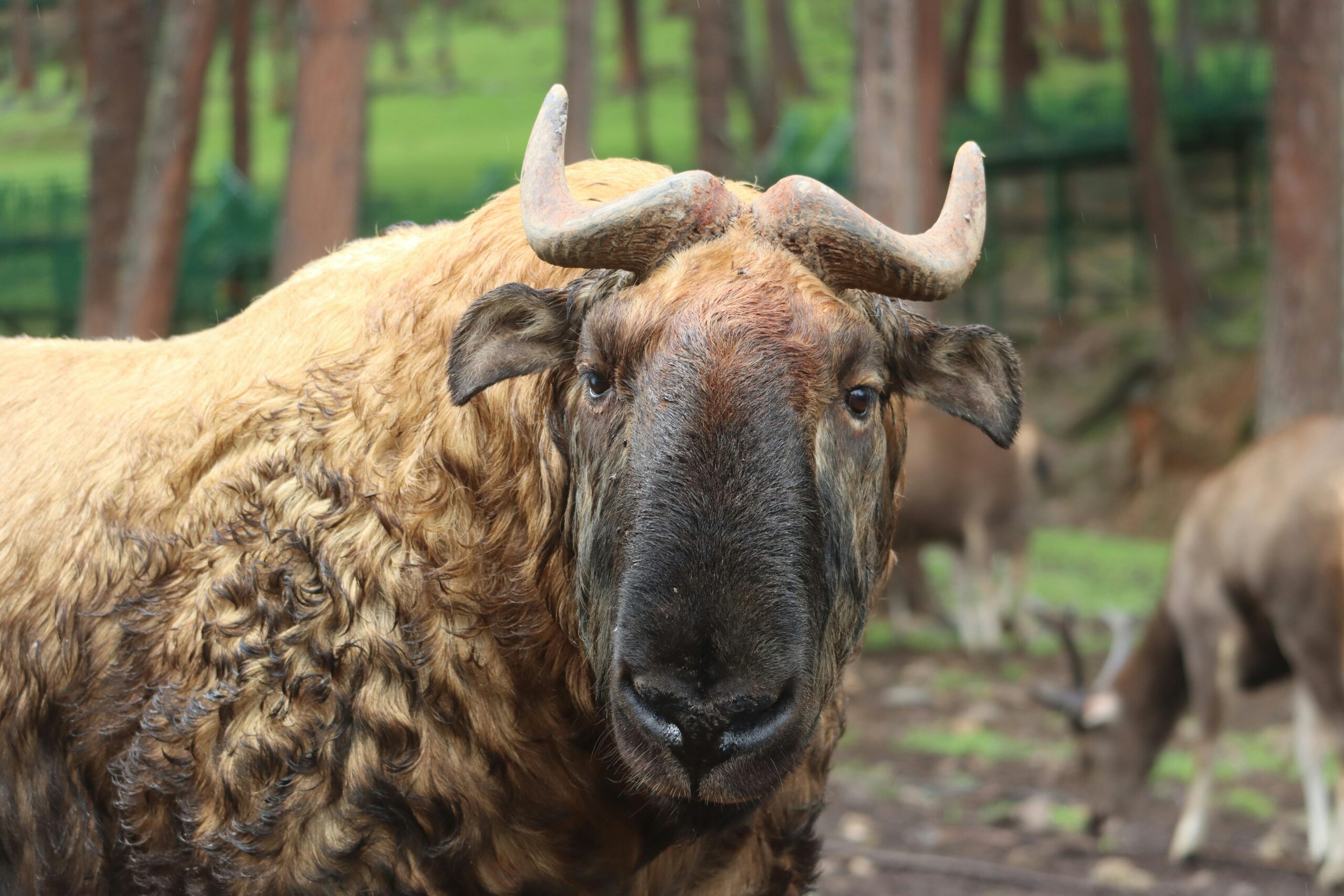
Today, continue exploring Bhutan's capital city. Visit the Motithang Takin Preserve, a wildlife reserve area for the national animal of Bhutan - Takin. Drukpa Kunley, a famous Tibetan saint (also known as the Divine Madman), is said to be responsible for the creation of this unique creature called Takin, which has the head of a goat and the body of a cow.
Stop by the National Memorial Chorten, Thimphu's most visited landmark built in memory of the Third King, Jigme Dorji Wangchuk (the Father of Modern Bhutan) by his mother. This Tibetan-style chorten is also a good place to see local Bhutanese people circling the monument throughout the day in a clockwise direction in prayer.
Learn about the traditional Bhutanese lifestyle at the Folk Heritage Museum, where you may also watch demonstrations of the rural customs, skills and habits. Nearby is the Thimphu National Institute for Zorig Chusum, a school dedicated to preserving and promoting the country's traditional arts and crafts.
Check out Tashichho Dzong, a fortress and monastery which houses the throne and offices of the King, the secretariat, and key ministries. A short drive away is the Zilukha Nunnery, the biggest nunnery in Bhutan and home to approximately 70 resident nuns. From here, one can get a nice view of Tashichho Dzong.
Overnight in Thimphu.
[Breakfast / Lunch / Dinner]
After breakfast, set off for Gangtey via the Dochula Pass, a beautiful mountain pass with 108 memorial chortens placed in honour of 108 Bhutanese soldiers who lost their lives in the war of December 2003 against militant groups. In good weather, you will get breathtaking views of the snowcapped Himalayas.
In the afternoon, visit Phobjikha Valley, a beautiful glacial valley with rolling hills and lush meadows, as well as the impressive Gangtey Monastery which dominates the valley's landscape.
Explore the Black Necked Crane Information Centre, where you'll be able to enter the observation room and use the telescope and spotting scopes to watch the Black-Necked Cranes. Every year (October-February), over 300 cranes will migrate from Tibet to Bhutan for their winter months in Phobjikha Valley. As an indigenous Himalayan species, the local people see it as a holy bird and a sign of longevity.
Overnight in Gangtey.
[Breakfast / Lunch / Dinner]
After breakfast, go on a journey to explore central Bhutan, travelling from Gangtey to Bumthang [approx. 160km // 4.5hrs drive].
Make your way to the majestic Pele La Pass, standing at an altitude of 3,420 meters, serving as the gateway to Central Bhutan. From here, enter the expansive and captivating Mangde Chhu Valley, along which you will encounter the Chendebji Chorten, a magnificent white stupa constructed in the 19th century, inspired by Nepal's revered Swayambhunath.
Stop and marvel at the grandeur of Trongsa Dzong, which boasts the most impressive architecture in Bhutan. It stands on the edge of a gorge, perched at an altitude of 2,200 meters, with its narrow and sprawling design gracefully occupying the entire mountainside. Once the seat of power for the first and second kings of Bhutan, it todays serves as a museum showcasing the history of the Bhutanese royal family and sacred Buddhist artifacts.
After lunch, continue on a picturesque drive towards Bumthang via the Yongtong La Pass standing at an altitude of 3,425 meters, and catch sight of Tibetan stupas and prayer flags.
Overnight at Bumthang.
[Breakfast / Lunch / Dinner]
Embark on a tour to learn about the local history and religions today, starting from Jambay Lhakhang, one of the 108 monasteries built on a single day by Tibetan King Songtsen Goenpo in 659 AD to subdue evil spirits in the Himalayan region.
After the hike, continue back to Paro.Continue to Kurjey Lhakhang, believed to be where Saint Guru Rinpoche meditated for three months. The upper floor of the Kurjey Lhakhang houses 1000 small statues for Guru Rinpoche, and a huge cypress tree near the temple's entrance is said to have sprouted from his walking stick.After the hike, continue back to Paro.
Next, visit The Burning Lake - Membartsho, where local people float small butter lamps to make wishes.
Finally, stop by the Jakar Dzong, a monastery with a history of 450 years and also the seat of the first King of Bhutan. Here you can get a spectecular view of the Chamkhar Valley below.
Return to hotel and overnight in Bumthang
[Breakfast / Lunch / Dinner]
Breakfast in hotel and drive to Trongsa. Visit the Royal Heritage Museum (Taa Dzong), a former 17-century watchtower originally built to guard the nearby Trongsa Dzong. It has now been converted into a museum to showcase Bhutan's history, royalty and culture.
Overnight in Trongsa.
[Breakfast / Lunch / Dinner ]
After breakfast, embark on a 5-hour drive towards Punakha. Upon arrival, visit Chimi Lhakhang, famed as a temple of fertility where childless couples seek blessings from the Lama (monk). This temple is associated with the famous Drukpa Kunley (Divine Madman), known for using his phallus to guide people to enlightenment and subdue demons, hence the symbol of phalluses can be seen all around the site.
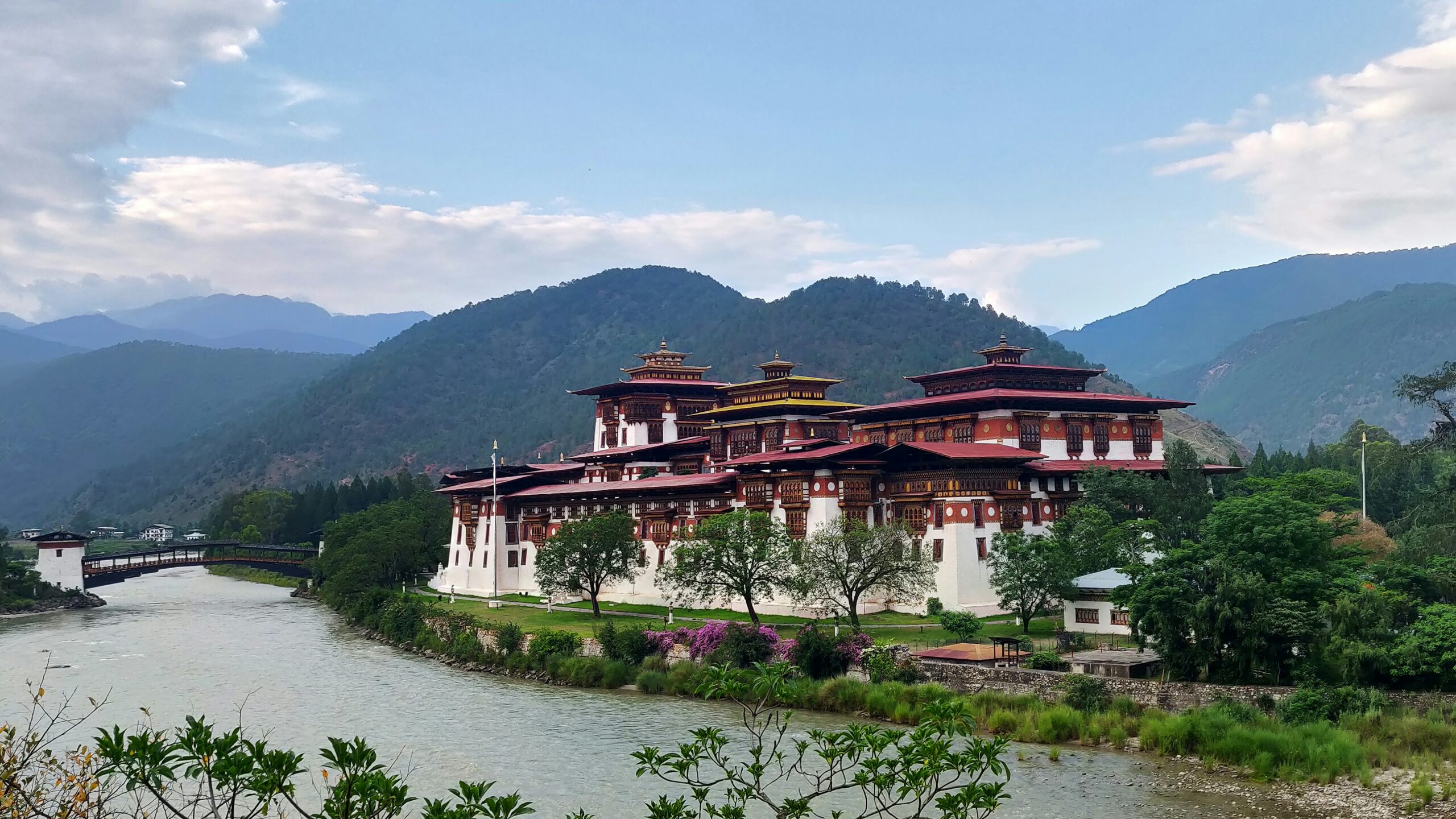
Continue to Punakha Dzong, which stands at the junction of two great rivers - Pho Chu (father river) and Mo Chu (mother river). To get in, one has to cross the Bazam Bridge. Inside the dzong, the 'Hundred Pillar Hall' of ezquisite murals is a fascinating sight to admire. Visitors in May will be amazed by the breathtaking purple-blue jacaranda blooms outside the fortress.
Overnight in Punakha.
[Breakfast / Lunch / Dinner]
Start the day at Khamsum Yueley Namgyal Chorten this morning. After crossing a suspension bridge, take a 45-minute hike to the chorten, which took nine years to finish building. Locals believe this place can remove negative forces and promote peace, stability and harmony in the world.
After lunch, visit the Limbukha Village known for its love of peace and tranquility. Walk along its red rice fields, which Bhutan is famous for, and is supposed to have high medicinal value. You may also meet local farmers in their tradition Gho or Kira working in the field with a pure smile on their face.
Return to hotel and overnight in Punakha.
[Breakfast / Lunch / Dinner ]
Head back to Paro today, and explore the National Museum of Bhutan (Ta Dzong), famed as Bhutan's tallest building - which stands at 22m tall with six floors. It was constructed as a watchtower in 1649, and then converted to the museum it is today with a rich collection of ancient artifacts.
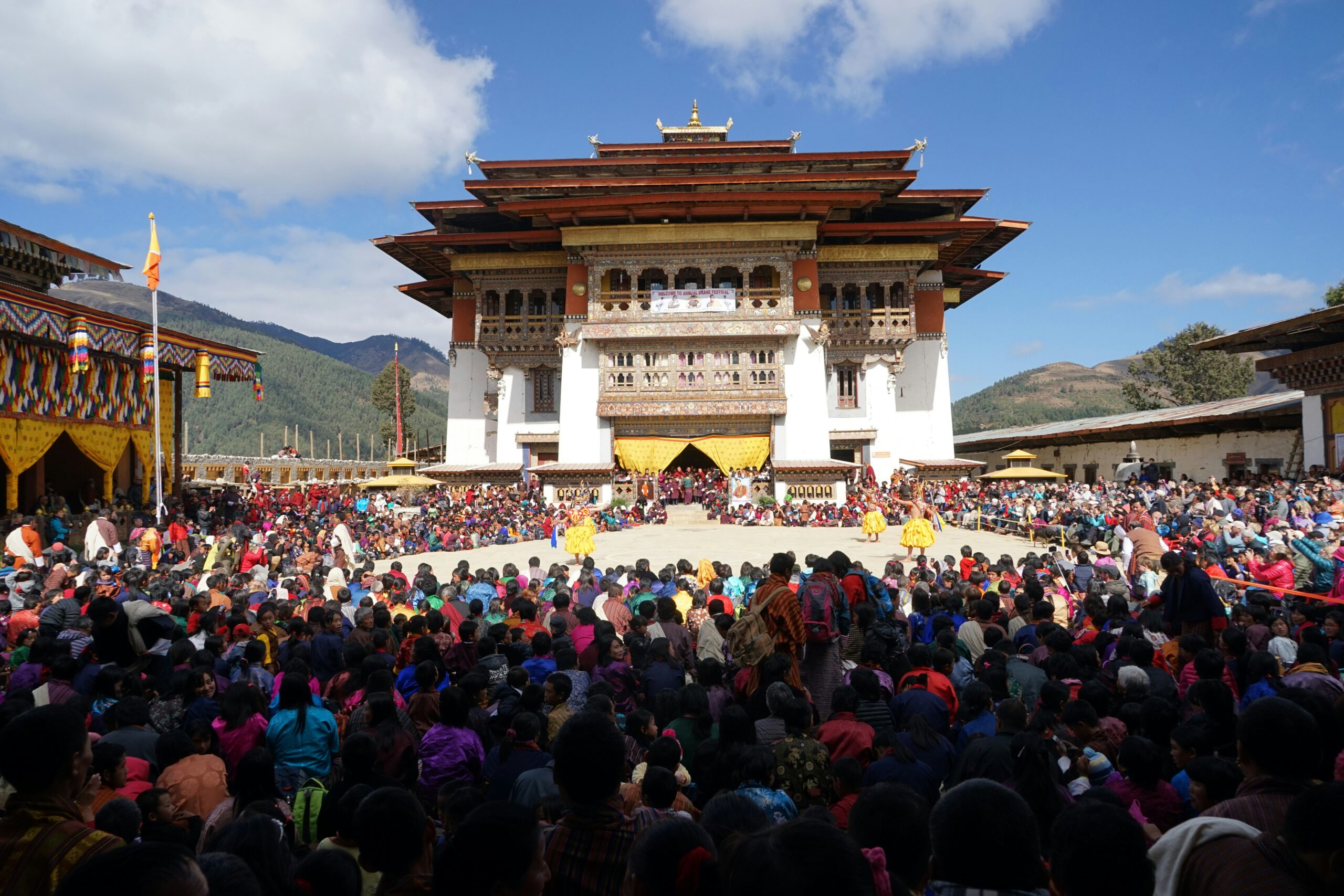
Next, visit Paro Dzong, the "fortress of the heap of jewels". Cross a traditional wooden cantilever bridge to get to the dzong for panoramic views of Paro Valley. As the office of the district administration and monastic body of Bhutan, the annual religious festival Paro Tsechu also takes place in its courtyard.
Overnight in Paro.
[Breakfast / Lunch / Dinner ]
Breakfast in hotel and proceed to the starting point of the hiking route to the Tiger's Nest Monastery (Taktsang Monastery), which is easily the most iconic landmark in Bhutan (approx 5hr roundtrip). This UNESCO World Heritage Site sits on the side of a cliff 900m above the Paro Valley, and is a sacred once-in-their-lifetime pilgrimage site for the Bhutanese. At the halfway point of the hike, take a rest at the viewing terrace and admire the views.
Pay a visit to a local people’s farmhouse - Kyichu Temple, one of the oldest monasteries that marks the beginning of Buddhism in Bhutan. You can see the original 7th-century Jowo Sakyamuni Statue and Chenrezig with 11 heads and 1000 arms there. There is also a magical orange tree outside the courtyard that is said to bear fruits all year round.
Overnight in Paro.
[Breakfast / Lunch / Dinner ]
Time to say goodbye to the beautiful Himalayan country of Bhutan. Free at leisure until time to meet with the local representative at your hotel and transfer to Paro International Airport for your onward flight. Tashi Delek!
[Breakfast / - / - ]
End of itinerary.
- Early check-in and late check-out is subject to hotel's availability.
- Itinerary sequence may be altered without prior notice in the event of weather disruption and/or other unforeseen circumstances.
- All prices indicated are valid at point of quotation, and are subject to change based on final travel dates, availability at point of booking, and any other add-ons or customisation to the base package.
- Air and train tickets (where applicable) are subject to availability at point of tour confirmation, which may result in adjustments to the original itinerary.
- Proposed accommodation options are subject to availability based on actual travel dates. In case of non-availability, an alternative accommodation at a similar or superior hotel will be secured. Rate adjustments (if any) will be communicated and applied accoridingly.
- In case of any currency fluctuations or amendment in local government taxes / fuel hike, etc., tour fares may be revised accordingly.
- Upon acceptance of quotation, we will require a clear copy of each traveller's passport to lock in bookings.
- You are strongly advised to purchase travel insurance prior to travel.
- Please refer to the FAQs section for payment and cancellation terms.
Inclusions & Exclusions
What’s Covered
- Bhutan visa application
- Sustainable Development Fee charged by Bhutan government
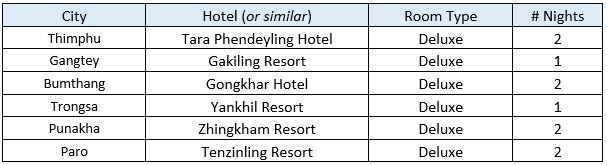
- 10 nights' accommodation in 3-star hotels
- Meals as mentioned in the itinerary
- Ground transportation in air-conditioned vehicle as indicated in itinerary
- All sightseeing entrance fees as indicated in itinerary
- English-speaking guide service
- Unlimited bottled mineral water during tour
What’s Not Covered
- International airfare (Singapore <> Paro) and accompanying taxes & fees
- Any additional orders for food and beverages
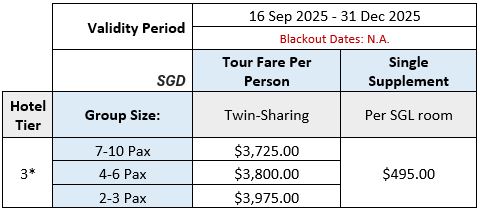
- Single supplement applicable for each single room required
- Any other activities, admission fees and other items not indicated in itinerary
- Tips for guide(s) and driver(s)
- Visa fees and travel insurance (where required)
- Any personal and miscellaneous expenses
- Any other services not mentioned in the above inclusions
A: The best time to visit Bhutan is during spring (March-May) and autumn (September-November). Autumn is ideal for trekking, while spring is known for rhododendron blooms and significant cultural celebrations.
A. Absolutely! Feel free to let us know if you’d like to extend your trip to another city before/after the base itinerary, or if there’s any place or activity that you’d like to include or omit – customised tours are what we specialise in.
A: No, our land-tour package rates do not include flights, to also allow our customers to customise their trip based on choice of airline, travel dates and flight routing, etc.
A. All tour fares are quoted in Singapore Dollars (SGD).
A. As of October 2025, most nationalities, including Singapore passport-holders, do require a visa to travel to Bhutan. Fret not, becuase we have included visa application assistance in this package.
A. Fill in and submit the form below with details on your trip request, as well as any questions or customisation requests you might have, such as rooming configurations, pre/post-extension to/from another city, etc. Our friendly team will send you a quotation via email within 3 working days from your submission of request.
A. Of course! Even if your desired travel dates fall outside of the validity period shown in the Tour Fare table, simply indicate your choice of departure date in the Departure Date field of the enquiry form, and we will provide you with a quotation based on your customised travel period.
A. >> 50% deposit to lock in booking upon acceptance of quotation.
>> Remaining tour fare upon confirmation of all trip arrangements.
A. >> Within 45 days prior to departure: Non-refundable
>> More than 45 days prior to departure: Total amount paid less non-refundable service fee of $80 per person less any amount that has already been paid to any supplier upon service confirmation.